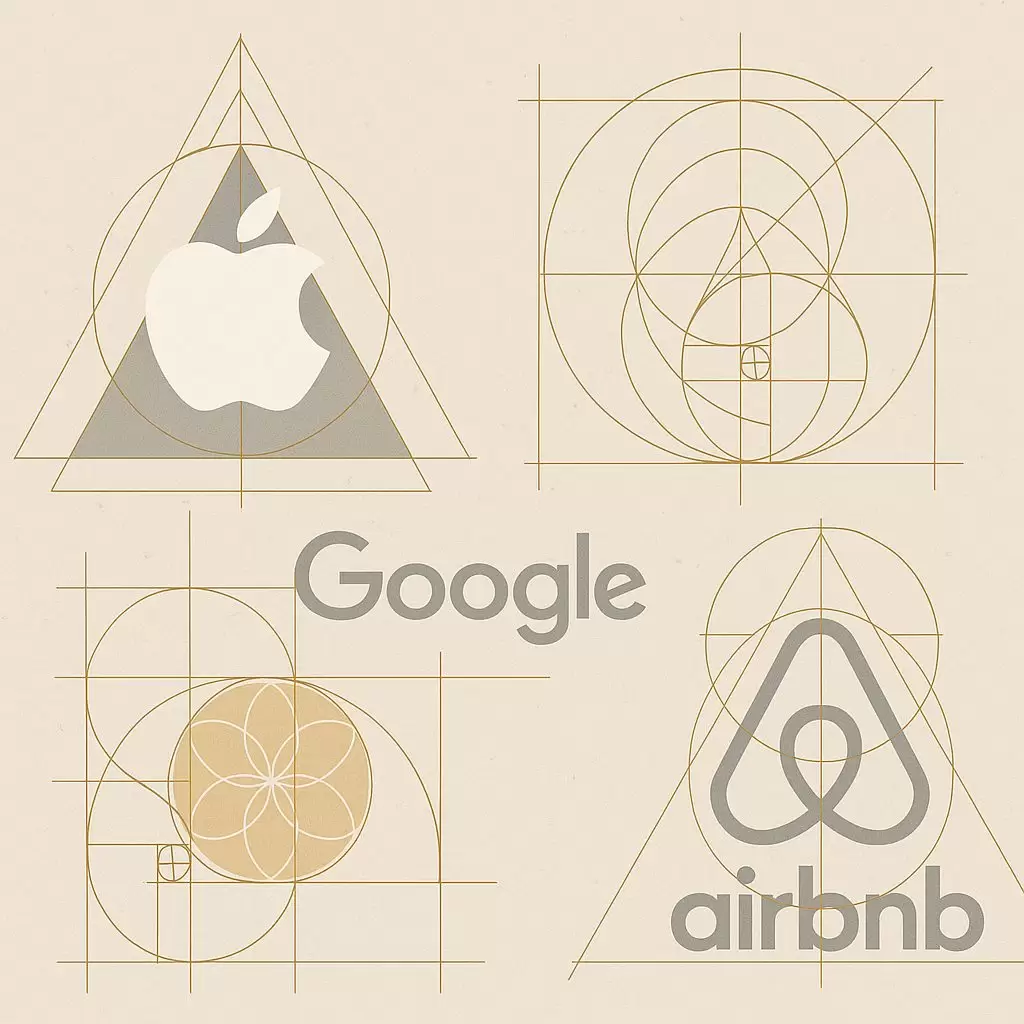
Design Alchemy: Turning Raw Ideas Into Digital Gold (Pentagramified Blog Series)
Introduction: The Magic Behind Design Alchemy
Web design isn’t just about colours, fonts, or layouts — it’s an art form that transforms abstract ideas into digital experiences that connect, inspire, and convert. Design Alchemy: Turning Raw Ideas Into Digital Gold is the craft of fusing creativity, strategy, and technology to create websites that feel alive.
Think of it as modern-day magic: taking the intangible — a spark of imagination, a client’s dream, or a brand’s purpose — and turning it into something tangible that shines on screen. This process blends the emotional depth of artistry with the precision of digital engineering.
What Is “Design Alchemy” in the Digital Age?
In medieval times, alchemists sought to turn base metals into gold. Today, web designers are digital alchemists, transforming rough sketches, vague ideas, or chaotic concepts into visually stunning and functional masterpieces.
Design alchemy means understanding the essence of a concept and refining it through creativity, technology, and user empathy until it gleams with value — both aesthetic and functional.
The Art and Science of Transforming Ideas Into Web Experiences
Web design success lies at the crossroads of imagination and implementation. You need both — the art to evoke emotion and the science to ensure usability. Every pixel, color, and animation must serve a purpose: to enhance the story and guide the user.
The digital gold? A design that not only looks beautiful but works beautifully.

The Foundation of a Golden Web Design Concept
Understanding the Core of a Raw Idea
Every great website begins with an unrefined thought. The designer’s first task is to distill that idea into a clear purpose. What problem does it solve? What emotion does it evoke?
When a designer understands the “why” behind a project, they can begin crafting the “how.”
From Brainstorm to Blueprint: Structuring Creativity
The brainstorming phase is messy — sketches, mind maps, and notes fill the screen. But the alchemy happens when chaos turns into structure. Through wireframes, designers shape user journeys, define navigation flows, and set visual priorities.
The Role of Storytelling in Web Design
Stories make experiences memorable. A great design tells a story — of the brand, the mission, and the user’s transformation. Colors, fonts, and imagery all contribute to this narrative, ensuring that users feel emotionally invested from the first click.
Crafting User-Centric Experiences
Why Empathy Is the Designer’s Secret Ingredient
Designers must step into their users’ shoes. A website that looks stunning but frustrates users is digital fool’s gold. True alchemy happens when empathy guides every design choice — from button placement to content hierarchy.
Designing for Emotions: Color, Flow, and Interaction
Colors evoke feelings. Layouts guide attention. Interactions delight users. Together, they form an emotional rhythm that keeps visitors engaged. The goal isn’t just usability — it’s connection.
The Tools and Techniques of Modern Design Alchemists
Essential Tools: Figma, Adobe XD, Webflow, and Beyond
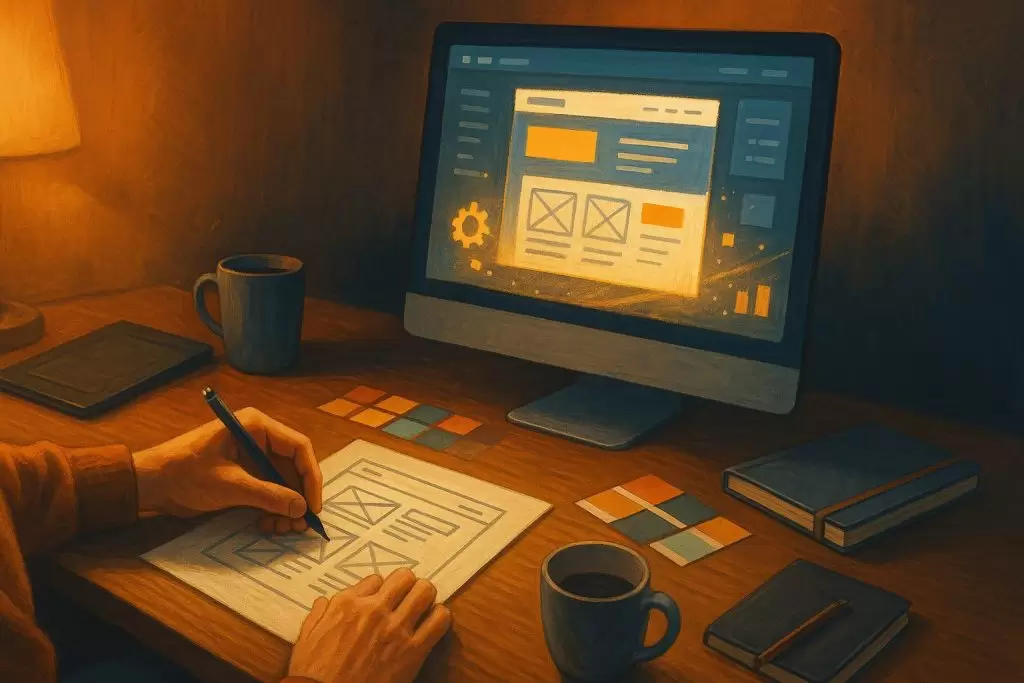
Modern alchemists rely on digital cauldrons like Figma, Adobe XD, and Webflow to craft responsive, interactive, and scalable designs. These platforms bridge creativity and development, making collaboration seamless.
The Rise of No-Code and AI-Powered Design Tools
AI and no-code platforms are revolutionizing design workflows. Tools like Framer and Uizard automate repetitive tasks, freeing designers to focus on creativity. Yet, the soul of design remains human.
The Process: From Idea to Digital Gold
Step 1: Ideation and Research
Every masterpiece begins with exploration. Designers start by absorbing — understanding the brand, audience, competitors, and the emotional essence of the project. This stage transforms vague visions into actionable insights.
Through research, mood boards, and creative direction, designers identify what makes the project unique. In alchemical terms, this is gathering the “raw materials” — the visual and emotional elements that will soon merge into something valuable.
Step 2: Wireframes and Visual Hierarchy
Once the idea takes shape, the next step is wireframing — building the skeletal framework of a website. Here, designers decide how information flows, where users will look first, and how they’ll interact with the content.
The visual hierarchy is the philosopher’s stone of web design — it turns clutter into clarity. Proper spacing, contrast, and typography ensure that users glide effortlessly through the experience.
Step 3: Prototyping and Iteration
This stage is where imagination meets reality. Designers bring ideas to life using interactive prototypes. It’s a dynamic phase filled with testing, feedback, and refinement.
Just like in traditional alchemy, perfection requires patience — every iteration polishes the design until it gleams with purpose and precision.
Step 4: Launching and Refining the Experience
The golden reveal! Launching a website is both exciting and enlightening. But true alchemists know that the work doesn’t end there. Post-launch analysis — tracking engagement, loading times, and user feedback — is essential to refine and perfect the user experience.

The Alchemist’s Touch: Blending Creativity with Strategy
Balancing Aesthetics and Functionality
A beautiful design without usability is like gold without shine. The magic lies in balance — where elegance meets efficiency. The best web designs anticipate user needs while maintaining visual harmony.
Strategic placement of calls-to-action, intuitive navigation, and consistent branding create a seamless experience that’s both pleasing and purposeful.
The Role of Data-Driven Design Decisions
In the modern era, data is the secret ingredient that fuels creative intuition. Tools like Google Analytics, Hotjar, and UserTesting allow designers to see how users behave — turning subjective decisions into informed design choices.
This blend of data and design ensures that every pixel serves a purpose, transforming websites from static pages into living, breathing ecosystems.
Common Mistakes That Dilute the Magic
Overdesigning Without Purpose
In the quest for innovation, some designers fall into the trap of overcomplication — too many animations, too many fonts, too many distractions. True alchemy values simplicity. Every element should enhance, not clutter.
Ignoring Accessibility and Performance
A design that excludes is never golden. Accessibility ensures inclusivity — making websites usable for everyone, regardless of ability. Likewise, performance optimization (fast loading, mobile responsiveness) ensures that beauty doesn’t come at the cost of usability.
Future of Web Design: The Next Chapter in Digital Alchemy
AI, AR, and Beyond: The Next Generation of Creative Tools
The future of design alchemy is boundless. Artificial intelligence and augmented reality are reshaping how designers create, prototype, and visualize. Imagine websites that adapt in real-time to a user’s mood or AR interfaces that blend physical and digital worlds seamlessly.
AI tools like ChatGPT, Midjourney, and Runway are already assisting designers with content generation, layout optimization, and branding — proving that automation can amplify human creativity, not replace it.
Human Creativity in an Automated Era
As automation rises, human imagination remains the heart of design. Machines can replicate patterns, but only humans can infuse emotion, culture, and soul into design. The future belongs to designers who use technology as an extension of their creativity, not a substitute.

FAQs About Design Alchemy: Turning Raw Ideas Into Digital Gold
1️⃣ What does “Design Alchemy” really mean?
It’s the creative process of transforming raw, abstract ideas into visually compelling and functional digital experiences — much like an alchemist turning lead into gold.
2️⃣ How does storytelling influence web design?
Storytelling gives websites emotional depth. It helps users connect with a brand’s message, guiding them through a journey rather than just presenting static information.
3️⃣ What are the most important design tools today?
Figma, Adobe XD, Webflow, and Framer lead the pack. For advanced creativity, AI tools like Midjourney and Uizard are gaining popularity among modern designers.
4️⃣ How do I make my website more “user-centric”?
Focus on empathy. Understand what your users want and design with their perspective in mind. Conduct usability testing and refine based on feedback.
5️⃣ Can AI replace human web designers?
AI can speed up workflows and automate basic design tasks, but creativity, empathy, and storytelling remain uniquely human traits that AI cannot replicate fully.
6️⃣ What trends define the future of web design?
Expect more immersive designs using 3D, motion effects, and AR. Personalization and minimalism will also continue shaping the next era of web design.
Conclusion: The True Gold Lies in the User’s Experience
At its core, Design Alchemy: Turning Raw Ideas Into Digital Gold isn’t just about making websites look good — it’s about creating experiences that feel good. The true measure of digital gold is how it connects, inspires, and converts.
Whether you’re a freelance designer, agency owner, or digital dreamer, remember:
“Design isn’t what you see — it’s what you make others feel.”
The magic of design alchemy lies not in the tools or technology, but in the intent and empathy of the creator behind it.
For more insights on web design principles, you can explore Nielsen Norman Group, a trusted resource for UX and digital design mastery.